

From Austria to Portugal and North Macedonia: Kaspars Zborovskis’ ACE²-EU Mobility Experience
Kaspars Zborovskis, a student at the Latvian Culture College of the Latvian Academy of Culture, has already taken advantage of several mobility opportunities offered by ACE²-EU. He has visited Carinthia University of Applied Sciences in Austria and the Polytechnic University of Santarém in Portugal, and will soon travel to Goce Delčev University in North Macedonia.
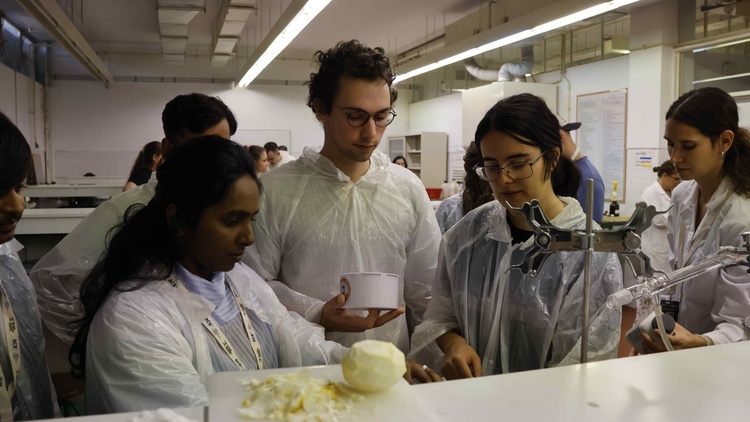
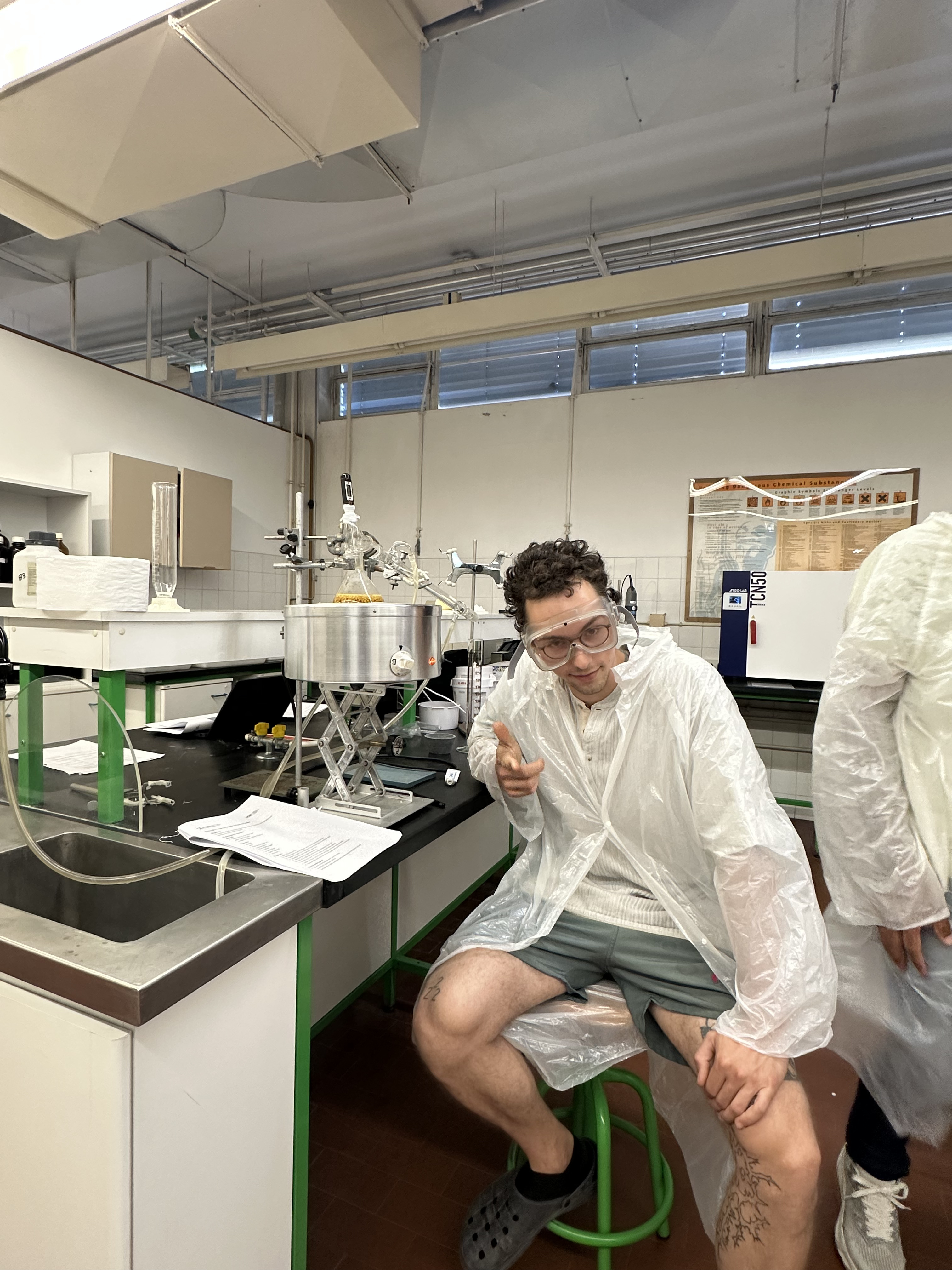
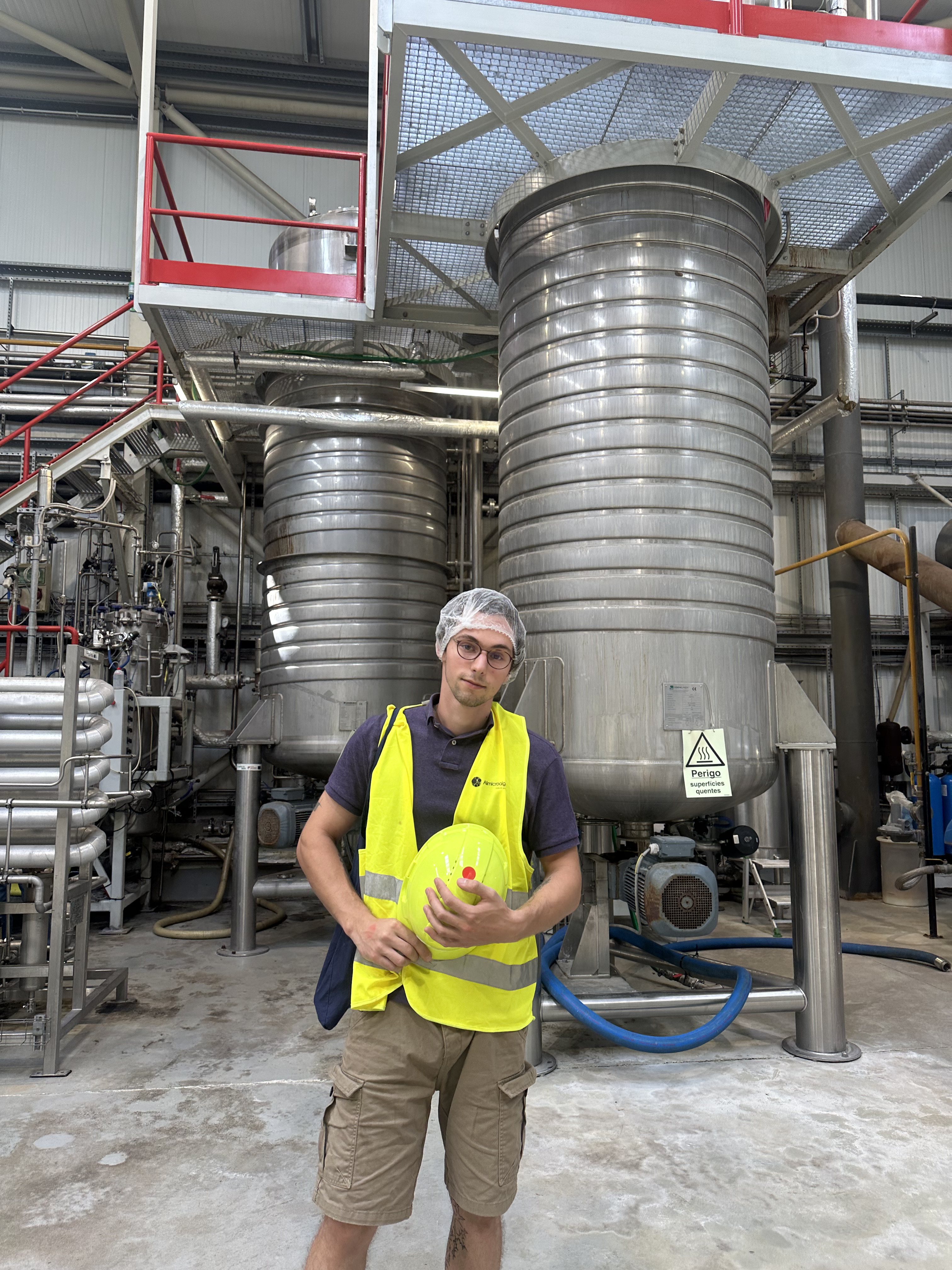
From 14 to 18 September, Kaspars took part in the programme “ABC GREEN BIOECONOMY: Sustainable Food Ingredients – Development of Innovative Food Products from By-products” in Portugal. For him, however, mobility is about much more than completing a particular study programme – it is an opportunity to step outside his usual environment, meet new people, and discover how people elsewhere in Europe live, study, and work.
Mobility as an opportunity to experience something beyond everyday life
“I really enjoy travelling, gaining new experiences, and finding myself in situations I would not normally encounter in everyday life. At the same time, the conventional tourist approach – where the main goal is to see as many places as possible and take photos – does not really appeal to me. I am much more interested in meeting people, experiencing the local environment and culture, and understanding how people in other countries live and work.”
Kaspars emphasises that the mobility format allows him to combine travelling with learning and building new connections. For him, learning is by no means limited to lectures or formal education: “I really enjoy learning, and in fact, I am learning all the time. It does not always happen in a classroom or as part of a specific programme. I am interested in learning from people, practical situations, and experience.”
Another important aspect of mobility is meeting people whom one might otherwise never encounter. During his mobility in Austria, Kaspars met not only students from other ACE²-EU countries, but also active young people from Latvia whom he had not known before.
 |  |
Practical experience and connections matter more than credits
Reflecting on the benefits of mobility, Kaspars says that additional credits are less important to him than the practical experience: “What mattered much more to me was gaining practical knowledge and experience that you cannot get simply by sitting in a lecture. I have made new connections across Europe and gained many new ideas. I have also developed a better understanding of how people from other countries work, communicate, and approach things.”
Mobility also requires stepping outside one’s familiar environment – finding your way in a new place, responding to unexpected situations, and becoming more independent. Kaspars also positively evaluates the application and organisational process, which was not overly bureaucratic and allowed him to focus on the actual content and experience of the mobility.

Portugal: a different work culture, active student life, and surfing
Among Kaspars’ most memorable impressions from Portugal were the local work culture, the activities of the university’s student association, the vibrant student life, the climate and, of course, surfing.
“It was interesting to see how actively students are involved in university life and how many different activities take place outside their studies. It was also interesting to experience the differences in work culture and the rhythm of everyday life.”
Surfing was one of the personal goals Kaspars had set for himself before travelling to Portugal. In the end, it became one of the highlights of his entire mobility experience.
“Don’t be afraid!” – Kaspars’ advice to other students
For students who are still considering whether to apply for an ACE²-EU mobility opportunity, Kaspars’ main advice is simple – do not be afraid to give it a try: “You do not need to plan everything perfectly in advance. Unexpected situations often turn into the best stories and experiences.”
He recommends travelling with as little luggage as possible and setting a personal goal before each mobility – whether it is learning a new skill, meeting new people, trying something you have never done before, or achieving a specific study-related objective.
It is equally important not to limit yourself to places designed primarily for tourists: “I recommend visiting places where locals go and, of course, talking to people. Even if your English is not perfect, that is no reason to stay silent. Mobility is a great way to improve your language skills through practice.”
Kaspars also highlights the online component that takes place before the in-person mobility programme. It should be seen as an integral part of the overall learning experience and as an opportunity to prepare for working in an international team.
More information about ACE²-EU mobility opportunities: https://www.ace2eu.eu/events/category/student-opportunities/