

Digital Culture in Latvia: What Do We Consume Online and Why Do We Still Choose In-Person Cultural Experiences?
The Latvian Academy of Culture Institute of Arts and Cultural Studies has published the research report “Digital Cultural Participation in Latvia”, which examines how digital technologies shape cultural consumption in Latvia, how residents engage with digital cultural content, and how digital participation relates to in-person cultural experiences. The report is available on the Latvian Academy of Culture website: https://ej.uz/digitalculturalparticipationinlatvia.
"The cultural consumption habits of Latvia's population are currently characterised not by a shift from in-person to digital environments, but rather by the coexistence of both forms. Digital content broadens access to culture, helps people discover information, sustains interest, and enables more flexible cultural engagement. At the same time, in-person cultural experiences retain their unique social and emotional significance. Therefore, digital cultural provision should not be limited to digitisation alone; it should complement in-person experiences while remaining easy to discover, understandable, technically accessible, linguistically inclusive, and trustworthy," explains researcher Līga Vinogradova.
The findings reveal that digital and in-person cultural experiences fulfil different roles in people's cultural practices. This is reflected in respondents' greater willingness to pay for in-person cultural experiences, whereas digital cultural content is more often perceived as a free or lower-cost service. The study also concludes that individuals actively engaged in digital cultural activities highly value the social and emotional dimensions of in-person culture. Consequently, participation in digital culture does not in itself indicate a desire to replace physical cultural experiences with digital alternatives. Instead, digital cultural content is primarily valued for its convenience, accessibility, flexibility, and broader range of choices. This is further demonstrated by the most common forms of digital cultural consumption among Latvia's population, such as listening to music and watching films, while products requiring more active engagement, such as digital resources created by local cultural institutions, are consumed considerably less frequently.
The research not only identifies the digital cultural activities undertaken by Latvia's population but also, through the use of the diary method, provides an in-depth analysis of everyday cultural consumption practices. The study identifies several patterns of digital cultural engagement, ranging from purposeful consumption of cultural content and digital socialisation to aimless browsing and background consumption, both of which are characteristic of many people's everyday use of digital environments. The findings demonstrate that people attribute different levels of value to digital cultural content and that time spent in digital environments does not, in itself, constitute meaningful cultural consumption.
The report aims to provide an empirically grounded understanding of the role of digital cultural consumption in the everyday cultural practices of Latvia's population. The study combines data from a representative survey of Latvia's population (1,050 respondents) with findings from a diary study, offering deeper insights into the habits, forms, and patterns of digital cultural consumption, as well as its interaction with in-person cultural participation. The report concludes with a set of recommendations for cultural policymakers, cultural organisations, and researchers.
The study was conducted within the framework of the National Research Programme project "Cultural and creative ecosystem of Latvia as a resource of resilience and sustainability / CERS” (No. VPP-MM-LKRVA-2023/1-0001). The project is funded by the Ministry of Culture of the Republic of Latvia.
More information about the project: https://lka.edu.lv/en/research/research-projects/state-research-programmes/cers/
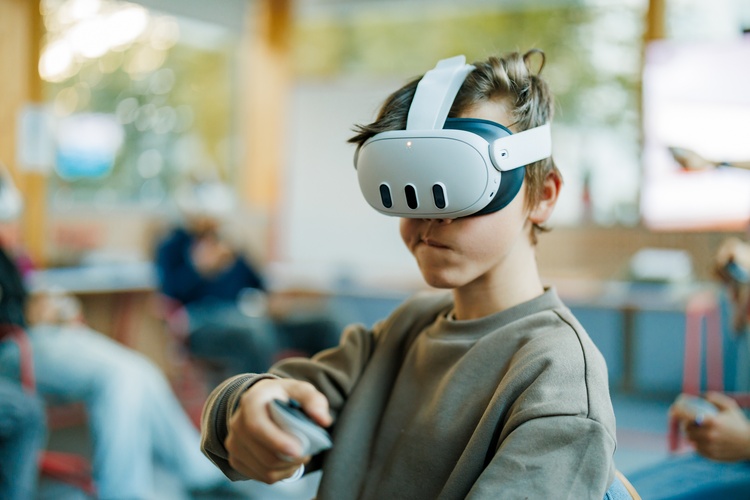
Photo: Kaspars Teilāns
Prepared by Līga Vinogradova,
LAC Institute of Arts and Cultural Studies